Elevating Digital Craftsmanship with Vintage Lace Junk Journal Backgrounds
In the evolving landscape of digital design and analog creativity, a distinct intersection has emerged where nostalgia meets modern utility. The resurgence of tactile aesthetics in a predominantly screen-based world has driven demand for resources that bridge the gap between physical texture and digital convenience. Among these resources, Vintage Lace Junk Journal Backgrounds have established themselves as a cornerstone asset for professionals, creators, and entrepreneurs. This is not merely a trend driven by aesthetic preference; it represents a broader shift in how creative industries value authenticity, efficiency, and versatile licensing in digital assets.
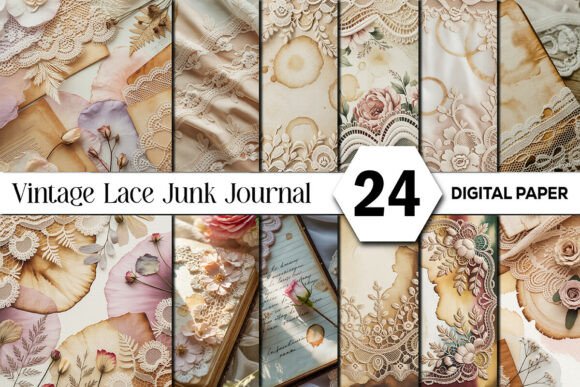
A soft and elegant collection of vintage lace-inspired junk journal pages featuring delicate florals, aged textures, and romantic shabby chic elements serves a functional purpose beyond simple decoration. These assets are engineered for scrapbooking, journaling, wedding crafts, and printable designs, offering a high-fidelity solution for those who require the look of heritage materials without the logistical constraints of sourcing physical antiques. For marketers, freelancers, and product creators, understanding the strategic value of these backgrounds is essential for staying relevant in a market that increasingly prizes curated authenticity.
The Convergence of Analog Aesthetics and Digital Workflows
The current creative economy is defined by a paradox: as technology becomes more seamless and polished, consumer appetite grows for imperfection, history, and tactile warmth. This phenomenon explains why professionals are integrating Vintage Lace Junk Journal Backgrounds into diverse projects ranging from e-commerce branding to editorial layout. The "shabby chic" and vintage styles are no longer niche hobbies; they are sophisticated visual languages used to communicate trust, tradition, and artisanal quality.
For digital designers and marketers, achieving this aesthetic through traditional means is often cost-prohibitive and time-consuming. Sourcing genuine antique lace, photographing it under controlled lighting, and processing the images to remove shadows or dust requires significant overhead. High-resolution digital assets eliminate this friction. By utilizing pre-processed, 300 DPI backgrounds, creatives can achieve a professional-grade vintage aesthetic instantly. This shift reflects a larger industry movement toward asset-based workflows, where the focus moves from raw material acquisition to creative application and storytelling.
Technical Specifications as Business Enablers
When evaluating digital assets for commercial or professional use, technical specifications are not just details; they are business enablers. The inclusion of 24 printable digital backgrounds in JPG format at 12×12 inches (3600×3600 pixels) addresses specific workflow requirements for modern creators. The 300 DPI resolution is the industry standard for print fidelity, ensuring that whether the end product is a physical wedding invitation, a hardcover journal, or a large-format poster, the delicate intricacies of the lace patterns remain crisp and artifact-free.
Furthermore, the 12×12 inch dimension aligns perfectly with standard scrapbooking and album formats, but its utility extends further. For web designers and social media managers, these high-pixel dimensions allow for aggressive cropping and zooming without quality loss. A creator can extract a small section of floral lace for an Instagram story background or utilize the full spread for a website hero image. This versatility maximizes the return on investment for freelancers and agencies managing multiple client deliverables across different media channels.
Commercial Viability and Licensing Flexibility
One of the most critical factors driving the adoption of these collections among entrepreneurs is the commercial use friendly licensing. In the gig economy and the burgeoning market for digital products on platforms like Etsy, Creative Market, and Amazon KDP, the ability to legally incorporate third-party assets into sellable goods is paramount. Professionals cannot risk copyright ambiguity. Assets that explicitly permit commercial use provide the legal safety net necessary for scaling a creative business.
This accessibility empowers a new wave of micro-entrepreneurs. A freelance stationery designer can create a cohesive wedding suite using these vintage lace backgrounds as foundational layers, adding custom typography and client-specific details. Similarly, a digital planner creator can use the textured pages to add depth to tablet-based planning apps. The instant download model facilitates rapid prototyping and iteration, allowing businesses to test new product lines with minimal upfront risk. This agility is essential in a market where consumer tastes can shift seasonally.
Meeting the Demand for Curated Authenticity
Modern consumers are highly adept at distinguishing between generic stock photography and curated, intentional design. The popularity of Vintage Lace Junk Journal Backgrounds stems from their ability to convey a sense of history and care that flat vector graphics often lack. The aged textures and delicate florals carry emotional weight, triggering associations with heirlooms, craftsmanship, and personal connection.
For brands operating in the wellness, lifestyle, wedding, or artisanal sectors, leveraging these textures helps establish a visual identity that resonates on an emotional level. It signals to the audience that the brand values detail and tradition. This is particularly relevant in the wedding industry, where couples seek personalized, timeless aesthetics for their celebrations. Digital assets that mimic the fragility and beauty of real lace allow wedding professionals to offer premium-looking bespoke stationery and signage at accessible price points, democratizing luxury design.
Practical Applications Across Creative Disciplines
The utility of these backgrounds transcends traditional junk journaling. Understanding their cross-disciplinary applications allows professionals to maximize their value. Below are key areas where these assets are transforming workflows:
- Digital Product Creation: Creators use these backgrounds as base layers for digital stickers, planner inserts, and printable wall art. The high resolution ensures that even when resized for mobile screens, the texture remains visible and engaging.
- Brand Identity and Packaging: Small businesses utilize lace textures for product packaging mockups, thank-you cards, and social media templates. The consistent use of a specific vintage aesthetic builds brand recognition and conveys a handmade ethos, even for mass-produced items.
- Editorial and Content Design: Bloggers and magazine layouts employ these backgrounds to break up text-heavy content. The soft, neutral tones of aged paper and white lace provide excellent contrast for dark typography while maintaining readability and reducing eye strain compared to stark white backgrounds.
- Mixed Media Art: Traditional artists scan these digital files to use as reference material or print them onto specialty papers to incorporate into physical collages, bridging the digital-analog divide in fine art practices.
The Role of Instant Access in Modern Creativity
The "Instant Download" feature is more than a convenience; it is a response to the accelerated pace of modern creative production. In professional environments, deadlines are tight, and inspiration is often fleeting. Waiting for physical shipping or navigating complex licensing negotiations disrupts the creative flow. Immediate access to high-quality assets allows professionals to capitalize on momentum, turning concepts into tangible drafts within minutes.
This immediacy also supports the iterative nature of design. When a client requests a revision or a marketer needs to A/B test different visual styles, having a library of 24 varied yet cohesive backgrounds enables rapid experimentation. Creatives can swap out textures to alter the mood of a piece—from darker, more aged tones to lighter, ethereal lace—without restarting the design process. This flexibility is crucial for maintaining productivity and meeting the dynamic expectations of clients and audiences.
Future-Proofing Creative Assets
As we look toward the future of digital design, the relevance of high-quality, textured assets is likely to increase rather than diminish. With the rise of AI-generated imagery, there is a growing counter-movement valuing human-curated, historically grounded visuals. While AI can mimic texture, it often lacks the specific historical accuracy and intentional composition found in dedicated asset collections like Vintage Lace Junk Journal Backgrounds. Professionals who build libraries of authentic, high-resolution resources position themselves to offer a level of refinement and intentionality that automated tools cannot replicate.
Moreover, the sustainability aspect of digital assets aligns with changing consumer values. Utilizing digital textures reduces the need for resource-intensive physical sampling and waste associated with traditional textile sourcing. For eco-conscious brands and creators, this digital alternative offers a way to achieve the desired vintage aesthetic responsibly. As the creative industry continues to balance technological advancement with human-centric design, resources that honor the past while facilitating modern workflows will remain indispensable tools for success.
Ultimately, investing in a comprehensive collection of vintage lace backgrounds is an investment in creative capability. It equips professionals, marketers, and enthusiasts with the visual vocabulary needed to tell compelling stories in a crowded marketplace. By combining the romance of shabby chic aesthetics with the precision of 300 DPI digital files and commercial-friendly licensing, these assets empower creators to produce work that is both beautiful and viable. In an era where attention is the scarcest commodity, the depth and elegance of vintage lace provide the visual anchor necessary to engage, inspire, and convert.