No Plan Just Vibes PNG Doing My Best C: A Technical and Creative Guide for Digital Designers
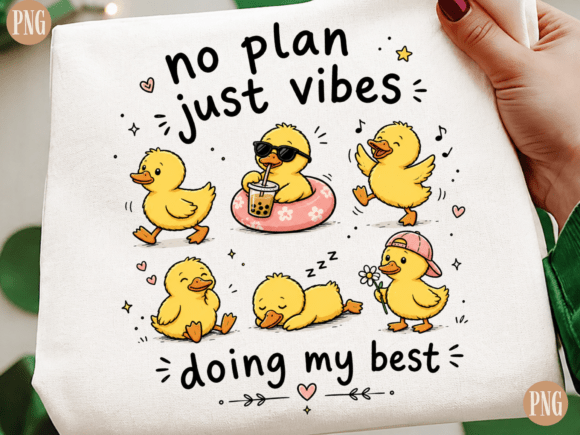
In the evolving landscape of digital merchandise and print-on-demand (POD) creation, the intersection of internet culture and technical precision defines market success. The No Plan Just Vibes PNG Doing My Best C asset represents a specific niche within this ecosystem, blending the "kawaii" aesthetic with relatable, self-deprecating humor. For creators, educators, and small business owners, understanding how to leverage this specific high-resolution file requires more than just downloading it; it demands an understanding of color theory, substrate compatibility, and audience psychology. This guide explores the practical application of this 300 DPI transparent PNG across various mediums, ensuring that the final physical product matches the digital promise.
Technical Specifications and Print Fidelity
The foundation of any successful sublimation or direct-to-garment (DTG) project lies in the source file's integrity. This design is engineered at 300 DPI (dots per inch), which is the industry standard for high-quality printing. While web graphics often utilize 72 DPI, printing at that resolution results in pixelation and blurriness. The 300 DPI specification ensures that the intricate lines of the cute duck illustration and the typography remain crisp, even when scaled for larger applications like wall art or tote bags.
Furthermore, the RGB color mode of this PNG file presents unique considerations for crafters. Most home printers and commercial POD services operate in CMYK (Cyan, Magenta, Yellow, Key/Black). Because this file is delivered in RGB to maintain vibrancy on screens, users must understand color profiling. When transferring the No Plan Just Vibes PNG Doing My Best C to a physical medium, slight color shifts may occur. Professional designers recommend soft-proofing the image in editing software before printing to predict how neon or highly saturated kawaii colors will translate to ink. The transparent background is equally critical, as it allows for seamless layering over colored fabrics or textured papers without the need for manual masking or erasing white borders.
Sublimation Workflows and Material Compatibility
Sublimation remains one of the most popular methods for utilizing this type of digital asset. The "No Plan Just Vibes" theme resonates particularly well on polymer-coated substrates. When applying this design to mugs or phone cases, the heat press process converts the solid ink into gas, bonding it permanently with the polyester coating. Because the design features both bold text and delicate illustrative elements, temperature and dwell time must be calibrated precisely. Overheating can cause the vibrant colors to brown or the fine lines of the duck design to bleed, while underheating leads to ghosting or fading.
For textile applications, such as T-shirts and pillows, the fabric composition dictates the outcome. Sublimation requires high polyester content for the ink to bond effectively. If using cotton blends, the vintage or distressed look associated with the "Doing My Best" quote may actually be enhanced by the lighter ink uptake on natural fibers. However, for true color accuracy matching the digital preview, 100% polyester or poly-spandex blends are recommended. Crafters should also consider the base color of the garment; since this is a transparent PNG, the design relies entirely on the substrate's color for its background negative space. Dark garments may require a white underbase if using DTG or HTV methods instead of sublimation.
Psychological Resonance and Market Positioning
Beyond the technical execution, the commercial viability of the No Plan Just Vibes PNG Doing My Best C stems from its semantic relevance to current cultural trends. The juxtaposition of a "cute duck" with a phrase acknowledging chaos or lack of planning taps into the "cozy coping" mechanism prevalent in modern consumer behavior. This design does not merely serve as decoration; it functions as a social signal. For small business owners and POD sellers, this means the target demographic extends beyond general consumers to include students, healthcare workers, teachers, and neurodivergent individuals who find comfort in validating their own experiences through humor.
When listing products featuring this design, accurate metadata and description are essential for search visibility. Terms like "kawaii mental health," "funny student gift," and "relatable duck sticker" bridge the gap between the visual style and the searcher's intent. The versatility of the design allows for cross-niche marketing. A mug featuring this quote appeals to office workers needing a laugh during a stressful week, while the same design on a sticker appeals to Gen Z journal enthusiasts. Understanding these micro-audiences allows creators to tailor their product mockups and marketing copy to specific use cases rather than relying on generic descriptions.
DIY Craft Applications Beyond Apparel
While apparel and drinkware are standard applications, the high resolution and transparent nature of this PNG facilitate diverse DIY projects. Sticker making is a primary use case, where the 300 DPI ensures that die-cut machines can read registration marks accurately and print sharp edges. The "No Plan Just Vibes" aesthetic works exceptionally well on vinyl planners, laptop lids, and water bottles. For sticker creators, adding a white offset border in design software before printing can enhance legibility against dark surfaces and protect the ink from edge wear.
Wall art and home decor offer another avenue for utilization. Because the file is high-resolution, it can be printed at larger formats for framed prints or canvas transfers without losing clarity. In educational or therapeutic settings, this design can be used to create calming corner signage or emotional regulation tools. The non-threatening, cute nature of the duck makes the message of "doing my best" accessible to younger audiences or those sensitive to clinical language. Educators and counselors can incorporate this digital download into worksheets, reward charts, or classroom decor, demonstrating the functional utility of the asset beyond commercial merchandise.
Navigating Commercial Use and Licensing Ethics
Acquiring a digital download labeled for personal and commercial use grants significant freedom, but it also requires responsible stewardship. For business owners using the No Plan Just Vibes PNG Doing My Best C, it is vital to distinguish between selling the digital file itself and selling end products created with the file. Standard licensing typically prohibits reselling the raw PNG or including it in digital clipart bundles. Value must be added through physical production or significant digital alteration. Maintaining records of purchase and adhering to the specific terms provided by the original artist protects both the creator’s intellectual property and the buyer’s business from legal complications.
Additionally, ethical merchandising involves transparency with customers. Clearly stating that an item is produced using licensed digital assets builds trust. For those modifying the design—perhaps combining it with other elements to create a unique composite artwork—documenting the creative process can serve as proof of transformative use. This is particularly relevant for sellers on platforms like Etsy or Amazon Merch, where algorithmic enforcement sometimes flags similar designs. By understanding the scope of the license and creating genuinely unique end products, crafters ensure the longevity of their shop and respect the digital art ecosystem.
Optimizing Digital Assets for Mixed Media
Versatility is the hallmark of a premium digital design. Users often need to adapt a single PNG for multiple outputs simultaneously. Creating master working files is a best practice. Instead of editing the original No Plan Just Vibes PNG Doing My Best C directly, professionals duplicate the file for each project type. A version optimized for sublimation might have increased saturation to counteract the heating process, while a version intended for web mockups might be compressed to 72 DPI for faster loading times. Keeping the original 300 DPI RGB file pristine ensures that future projects always start from the highest quality baseline.
Color management extends to monitor calibration as well. What looks vibrant on an OLED phone screen may appear dull on an uncalibrated laptop display. Investing in hardware calibration tools or using standardized ICC profiles for specific printer-paper combinations reduces waste and frustration. For those new to working with high-DPI transparent PNGs, testing on scrap material before committing to expensive blanks is a crucial step in the workflow. This empirical approach bridges the gap between digital perfection and physical reality, ensuring that the "vibes" of the design translate faithfully to the final tangible product.