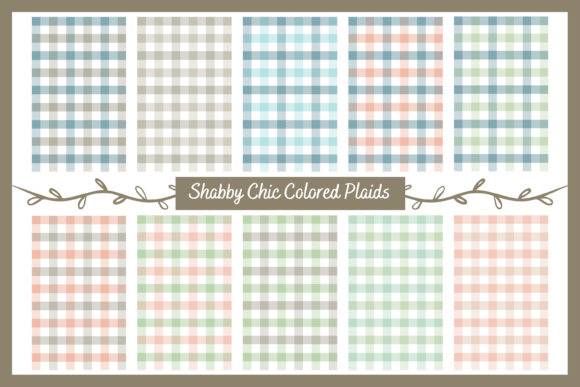
Seamless Plaids with Shabby Chic Colors
The intersection of rustic warmth and refined elegance defines the enduring appeal of shabby chic design. When this aesthetic is applied to foundational patterns like tartan, gingham, and checkered plaids, the result is a versatile visual language that speaks to both nostalgia and modern sensibility. Seamless plaids with shabby chic colors offer creators a unique solution for projects requiring texture without visual chaos. Unlike high-contrast traditional plaids that can dominate a layout, these softened variations provide structure while maintaining an airy, approachable atmosphere. For designers, crafters, and small business owners, having access to high-resolution, seamless digital papers in this specific niche bridges the gap between vintage inspiration and professional execution.
Elevating Digital Design with Endless Patterns
In digital design, visible seams are the enemy of immersion. Whether you are creating website backgrounds, social media templates, or digital planner covers, a repeating pattern must flow effortlessly across varying screen sizes. The primary advantage of seamless endless patterns lies in their scalability. With digital papers sized at 3600 x 3600 pixels or greater, users possess the flexibility to crop, zoom, and tile without encountering pixelation or awkward breaks in the motif.
This technical specification matters significantly for web designers and bloggers who need responsive backgrounds. A standard plaid might look acceptable on a desktop monitor but fail when tiled vertically on a mobile device. Seamless plaids with shabby chic colors solve this by ensuring the color gradients and line weights connect perfectly at every edge. This allows for full-page backgrounds that feel organic rather than manufactured. For content creators, this means less time spent fixing edges in post-production and more time focusing on typography and messaging. The soft, muted tones typical of shabby chic palettes also ensure that text overlaid on these backgrounds remains legible, addressing a common pain point where busy patterns compromise readability.
Print Quality Standards for Physical Crafts
Transitioning from screen to print introduces new challenges regarding resolution and color fidelity. The inclusion of 300 DPI PNG files ensures that these digital papers meet professional printing standards. Many free or low-cost resources offer only 72 DPI web-quality images, which appear crisp on monitors but blur when printed on cardstock or fabric. Accessing files at 3600 x 3600 pixels provides ample data for large-format prints, such as wrapping paper or scrapbook layouts, without sacrificing sharpness.
For scrapbookers and journal enthusiasts, the tactile quality of the final product depends heavily on source material integrity. Shabby chic aesthetics rely on subtle textures—faded lines, gentle distressing, and layered hues. Low-resolution files flatten these nuances, turning delicate vintage effects into muddy artifacts. High-resolution PNGs preserve the transparency and depth necessary for layering. When using these papers for physical crafts, the ability to maintain detail at larger scales allows for creative freedom. You can use a single sheet as a full background for a 12x12 scrapbook page or scale it down for intricate die-cut embellishments, confident that the weave of the plaid will remain distinct.
Versatility Across Creative Disciplines
The value of a curated collection of ten digital papers extends beyond simple variety; it offers a cohesive system for branding and storytelling. While each file stands alone, they share a unified color story and stylistic approach. This consistency is invaluable for entrepreneurs and marketers developing seasonal campaigns or product lines.
- Product Photography Backdrops: Small business owners selling handmade goods often struggle with staging. These plaids provide neutral yet textured surfaces that complement products without competing for attention. The shabby chic colorway adds warmth to jewelry, ceramics, or textiles, enhancing perceived value.
- Packaging and Unboxing Experiences: Custom printed tissue paper or box liners elevate the customer experience. Using seamless tartan or gingham patterns creates a branded touchpoint that feels premium. Because the files are high-resolution, businesses can send them directly to commercial printers for packaging production.
- Educational Materials: Teachers and educators designing worksheets or classroom decor benefit from patterns that are engaging but not distracting. Soft checkered plaids organize space visually, helping to delineate sections on a page while maintaining a calming environment suitable for learning.
- Digital Stationery: Freelancers and virtual assistants can utilize these backgrounds for invoices, letterheads, and email signatures. The professional polish of a seamless, high-res pattern signals attention to detail and establishes a gentle, trustworthy brand identity.
Navigating Color Palettes and Style Integration
Understanding the specific nature of shabby chic colors is crucial for effective application. This palette typically encompasses dusty roses, sage greens, weathered blues, and creamy neutrals. These are desaturated, lived-in tones that evoke comfort. When integrating seamless plaids with shabby chic colors into a project, consider the emotional weight of the hue. A faded blue gingham suggests coastal calm or masculine nursery themes, while a distressed pink tartan leans toward romantic or feminine applications.
Designers should be mindful of contrast ratios when pairing these backgrounds with other elements. Because shabby chic colors are inherently low-contrast, they pair best with darker text or metallic accents. White text on a pale cream plaid may fail accessibility standards and look washed out in print. Conversely, deep charcoal or bronze lettering pops beautifully against these softened bases. This interplay allows the plaid to function as a supportive texture rather than a competing focal point. For those accustomed to bold, saturated graphics, adjusting to this subtlety may require testing prints or screen proofs to ensure the desired mood translates accurately across mediums.
Practical Considerations for File Management
Receiving a .zip file containing ten high-resolution PNGs requires thoughtful organization. At 3600 x 3600 pixels and 300 DPI, individual files can be substantial in size. Users should establish a dedicated asset library with clear naming conventions immediately upon extraction. Renaming generic filenames to descriptive tags (e.g., "ShabbyChic_SageGingham_3600px.png") saves significant search time during active projects.
It is also important to recognize the limitations of the PNG format in certain workflows. While PNGs support transparency and lossless compression ideal for printing and layering, they are not always optimal for web use due to file size. Web designers utilizing these seamless plaids for live sites should convert the master PNGs to optimized JPEGs or WebP formats to maintain site speed. Keep the original high-res PNGs as your master archive for print work, and create derivative web-safe versions for digital deployment. This dual-workflow approach maximizes the utility of the asset pack without compromising performance.
Making Informed Decisions on Pattern Selection
Not every plaid suits every purpose, even within a cohesive collection. Tartan patterns, with their complex overlapping stripes, carry more visual weight than simple gingham checks. When selecting from the ten included papers, assess the density of information in your intended layout. If the design includes heavy text, intricate illustrations, or multiple photographs, opt for a simpler checkered plaid or a larger-scale gingham. Reserve the denser tartans for projects with minimal foreground elements, such as gift wrap, envelope linings, or standalone art prints.
Additionally, consider the scale relative to the final output size. A 3600-pixel square represents one repeat unit. On a standard letter-sized document, this creates a moderately sized pattern. However, on a business card, that same unit becomes massive, potentially showing only a fraction of the plaid. Users should preview the pattern at actual print size before committing to a layout. The seamless nature allows for tiling if a smaller scale is needed, but starting with an understanding of proportion prevents designs from feeling unbalanced. By treating these digital papers as adaptable raw materials rather than static backgrounds, creators unlock their full potential across diverse applications.
Ultimately, seamless plaids with shabby chic colors serve as a foundational tool for creatives seeking to blend tradition with contemporary functionality. Whether used to add tactile warmth to a digital interface or to bring professional polish to handmade crafts, the combination of technical quality and aesthetic specificity makes these assets a practical addition to any resource library. Success lies not just in owning the files, but in understanding how their resolution, color psychology, and pattern structure interact with your unique creative goals.