White Marble Texture: Elevating Digital and Print Design Projects
In the world of visual design, few elements convey sophistication and timeless elegance quite like natural stone. The white marble texture has transcended its origins in architecture and sculpture to become a staple in digital and print media. Whether you are a graphic designer seeking a clean backdrop for typography, a crafter looking for premium digital paper, or a brand manager aiming to elevate packaging aesthetics, high-quality marble backgrounds offer a versatile solution. Understanding how to effectively utilize these textures can transform ordinary projects into professional-grade visuals without the prohibitive cost of sourcing physical stone.
Understanding the Appeal of White Marble in Modern Design
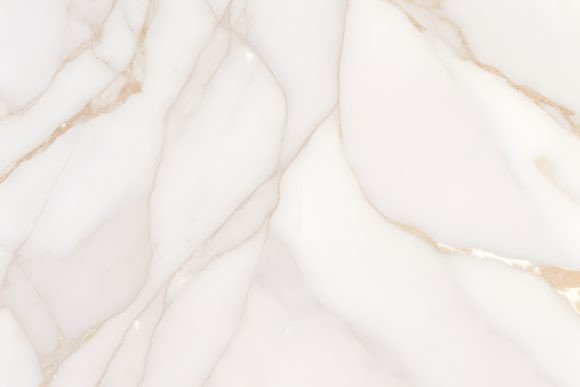
White marble is prized for its unique balance of complexity and neutrality. Unlike solid colors, which can sometimes feel flat or sterile, a white marble texture provides organic depth through subtle veining and tonal variations. This natural imperfection adds character while maintaining a light, airy color palette that serves as an excellent canvas for other design elements. For adults managing creative projects, this texture solves a common dilemma: how to add visual interest to a background without distracting from the primary content.
The psychological impact of this material also plays a significant role. Marble is historically associated with luxury, stability, and cleanliness. When applied to wedding invitations, corporate stationery, or lifestyle blog backgrounds, it subconsciously communicates quality and attention to detail. In digital spaces, the cool tones of white marble can reduce eye strain compared to stark white backgrounds, creating a more comfortable reading experience for users navigating websites or digital publications.
Overcoming Common Design Challenges with High-Resolution Assets
A frequent pain point for designers and crafters is finding texture assets that hold up under scrutiny. Low-resolution images often result in pixelation when scaled for print or appear muddy on high-definition screens. This is where technical specifications matter immensely. Utilizing a file with 3000×2000 px dimensions ensures that the intricate details of the stone’s grain remain crisp. Furthermore, a resolution of 300 DPI is the industry standard for professional printing, guaranteeing that business cards, party packs, and scrapbooking layouts look sharp and tangible.
Another challenge involves color consistency across different mediums. While this specific asset is provided in RGB Color, which is optimized for digital displays and web use, understanding color profiles is essential for cross-platform projects. RGB offers a wider gamut of luminous whites and subtle grays perfect for screens. However, if your end goal is exclusively physical printing, you may need to convert the file to CMYK and perform a test print to ensure the bright whites translate accurately to paper. Being aware of these technical nuances prevents disappointment and rework later in the production process.
Practical Applications Across Creative Disciplines
The versatility of a high-quality JPG marble background extends far beyond simple wallpaper usage. Different user groups leverage this asset to solve specific aesthetic and functional problems.
Digital Design and Web Aesthetics
For web designers and bloggers, white marble texture serves as an ideal alternative to plain white space. It adds texture to hero sections, sidebar backgrounds, and product photography overlays without competing with text readability. Because the file is high resolution, it can be cropped to focus on specific vein patterns, allowing for custom header images that maintain brand consistency. In social media graphics, this texture provides a cohesive look for Instagram stories, Pinterest pins, and Facebook covers, helping to establish a recognizable visual identity.
Print Media and Stationery
In the realm of physical goods, the 300 DPI specification makes this texture suitable for high-stakes print projects. Wedding planners and DIY brides frequently use white marble backgrounds for invitation suites, place cards, and menu designs to achieve a luxurious aesthetic on a budget. Similarly, small business owners can utilize this texture for product packaging, thank-you cards, and labels. The neutral tone pairs exceptionally well with metallic foils, embossing, and minimalist typography, making it a favorite for cosmetic brands, jewelry makers, and artisanal food producers.
Crafting and Digital Scrapbooking
For the crafting community, digital paper is a foundational resource. This white marble texture functions perfectly as a base layer for digital scrapbooking, allowing photos and journaling elements to pop against the soft gray veining. Physical crafters can print this file onto cardstock for handmade greeting cards, gift tags, and party decorations. The realistic appearance of the stone means that even when printed on matte paper, the result mimics the look of expensive specialty materials. It is also invaluable for papercraft enthusiasts who require a realistic stone effect for architectural models or miniature dioramas.
Implementation Tips for Optimal Results
To maximize the utility of your white marble texture, consider the following practical recommendations tailored to different project needs:
- Contrast Management: Always check the contrast ratio between your text and the marble background. While white marble is generally light, darker veins can interfere with legibility. Use semi-transparent white overlays behind text blocks if necessary to ensure accessibility and readability.
- Seamless Tiling: If using the texture for website backgrounds or large-format printing that exceeds the 3000×2000 px dimensions, test the edges for seamless tiling. If the file is not inherently seamless, use cloning tools in photo editing software to blend the edges, or crop strategically to avoid visible repetition.
- Layering Techniques: Treat the marble as a base rather than the final layer. Apply blending modes such as "Multiply" or "Overlay" to integrate the texture with colored backgrounds or gradients. This allows you to tint the marble to match specific brand colors while retaining the natural stone detail.
- File Organization: Since this is a high-resolution JPG, file sizes may be substantial. Create optimized copies for web use (compressed JPEGs or WebP format) to maintain site speed, while keeping the original master file for print production. This workflow ensures efficiency without sacrificing quality.
Tailoring the Asset to Your Specific Needs
Different users will approach this white marble texture with varying objectives, and adapting your workflow accordingly is key to success. A fashion designer might use the texture as a mood board background to showcase fabric swatches, requiring the full resolution to capture textile details alongside the stone. Conversely, a digital marketer might only need a cropped section for an email newsletter header, prioritizing file size over total dimension.
Educators and presentation designers can also benefit from this asset. Slides featuring dense information often suffer from visual fatigue; replacing a stark white slide background with a subtle marble texture can make long presentations more visually engaging without reducing professionalism. The key is moderation—allowing the texture to support the content rather than dominate it.
Ultimately, the value of this white marble texture lies in its ability to bridge the gap between digital convenience and organic beauty. By selecting a file with robust technical specifications like 3000×2000 px resolution and 300 DPI, you equip yourself with a reliable tool capable of handling everything from delicate scrapbooking to large-scale commercial printing. Whether enhancing a personal blog or refining a product line, this amazing marble texture digital paper offers a sophisticated foundation that elevates the perceived value of any creative endeavor.